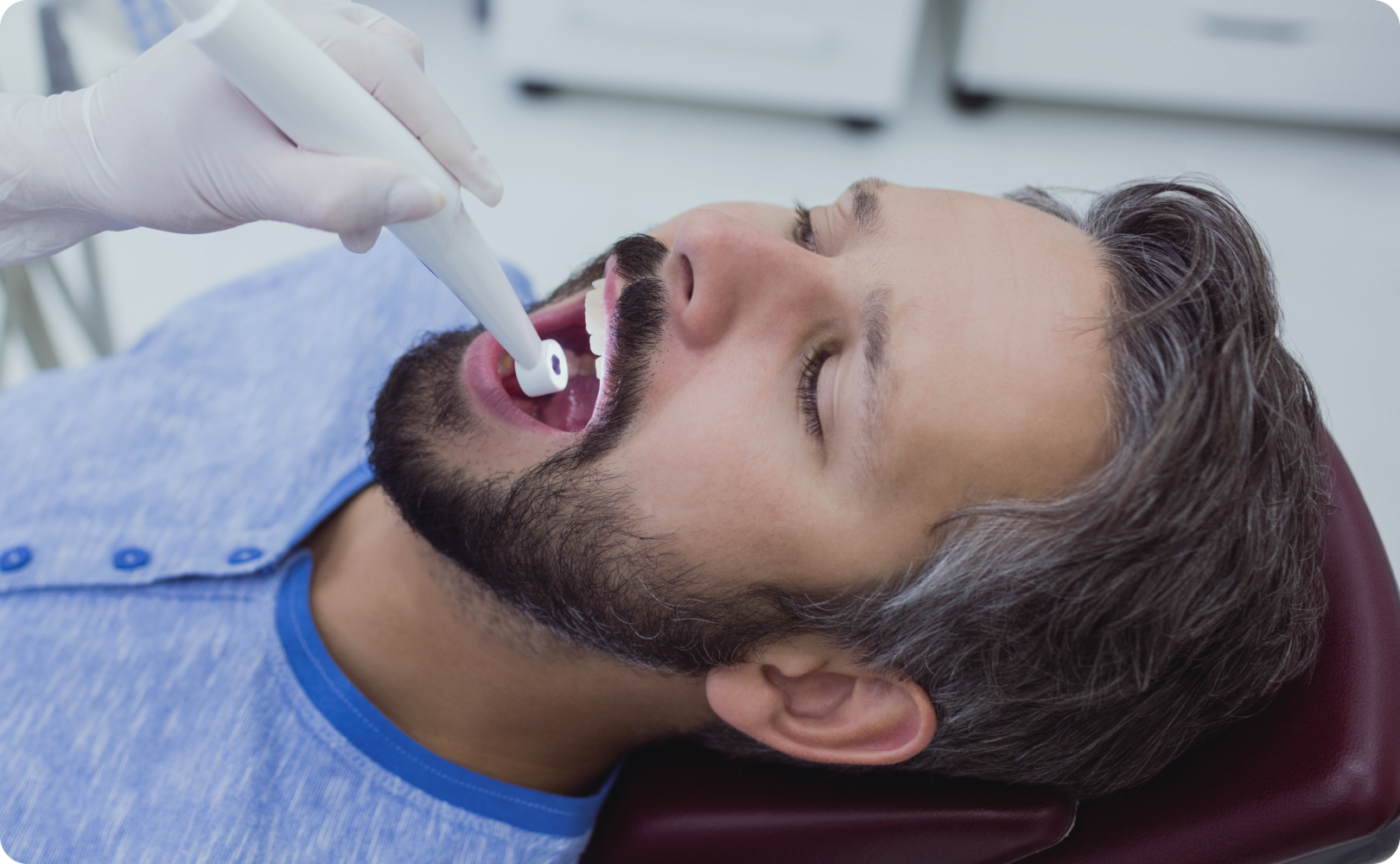

Bleeding while brushing or flossing is never normal. Healthy gums are firm, pale pink, and resilient. Bleeding is an early distress signal indicating bacterial inflammation that warrants professional dental attention.
Key Clinical Takeaways
Healthy gums do not bleed; schedule a professional cleaning at the first sign of bleeding to prevent irreversible periodontal bone loss.
The Root Cause: Bacterial Biofilm
The primary cause of bleeding gums is the accumulation of sticky bacterial plaque along the gingival margin. The immune system responds with inflammation, causing capillaries in the gum tissue to become engorged, fragile, and prone to bleeding upon light contact.
Other Contributing Factors
Beyond plaque, bleeding gums can be exacerbated by aggressive brushing with hard bristles, hormonal shifts (pregnancy, puberty), vitamin C or K deficiencies, poorly fitted dental restorations, or blood-thinning medications.
What Happens If Bleeding Gums Are Left Untreated?
According to NIDCR, untreated gingivitis inevitably progresses to periodontitis. Over time, bacteria destroy the collagen fibers and alveolar bone supporting your teeth, leading to irreversible gum recession and tooth mobility.
Restoring Healthy, Firm Gums
A professional ultrasonic scaling to remove hardened tartar, switching to a soft-bristled toothbrush, adopting gentle daily flossing, and using an antimicrobial rinse will resolve early gingival bleeding within a few weeks.
Have Questions About Your Dental Health?
Consult with our specialist dentists at Redesign Dental Clinics in Banjara Hills, Hyderabad.
Fact-Checked Sources & References
- National Institute of Dental and Craniofacial Research (NIDCR): "Gum Disease: Symptoms and Risk Factors" — View Reference
- American Dental Association (ADA): "Bleeding Gums: Causes & Prevention" — View Reference
This article is for general educational purposes only and is not a substitute for an individual dental examination or professional medical advice. Treatment recommendations may vary based on your oral health and clinical needs.