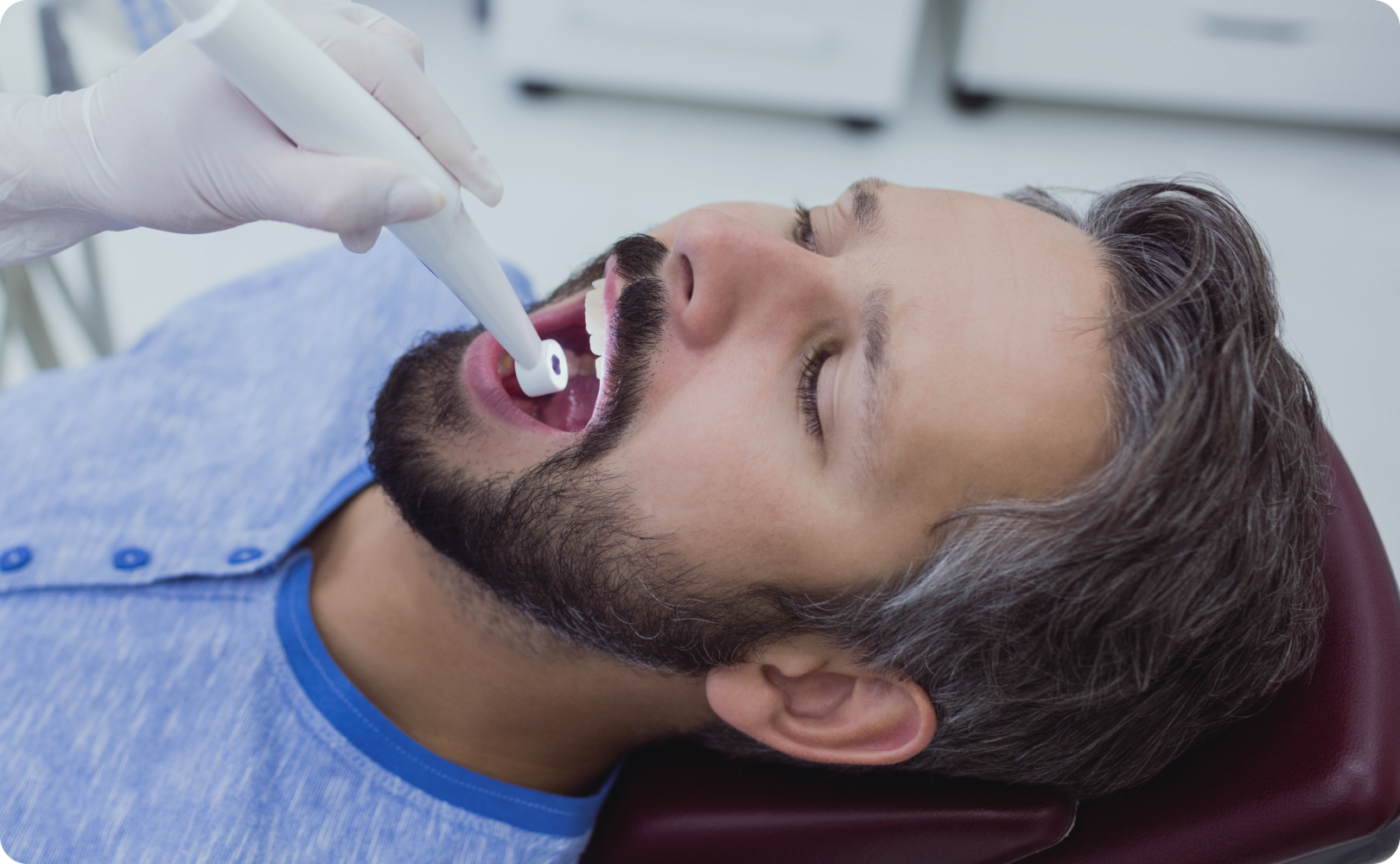
Consistent daily oral hygiene is the most reliable defense against dental caries and periodontal disease. Establishing evidence-based home care habits protects your tooth enamel and gingival tissues.
Key Clinical Takeaways
Brushing twice daily with fluoride, flossing daily, and moderating sugar intake form the cornerstone of lifelong oral health.
Twice-Daily Brushing with Fluoride Toothpaste
The World Health Organization (WHO) and American Dental Association (ADA) recommend brushing for at least two minutes twice daily using a soft-bristled toothbrush and fluoride toothpaste. Angling bristles at 45 degrees to the gumline gently disrupts plaque biofilm without abrading enamel.
The Crucial Role of Interdental Cleaning
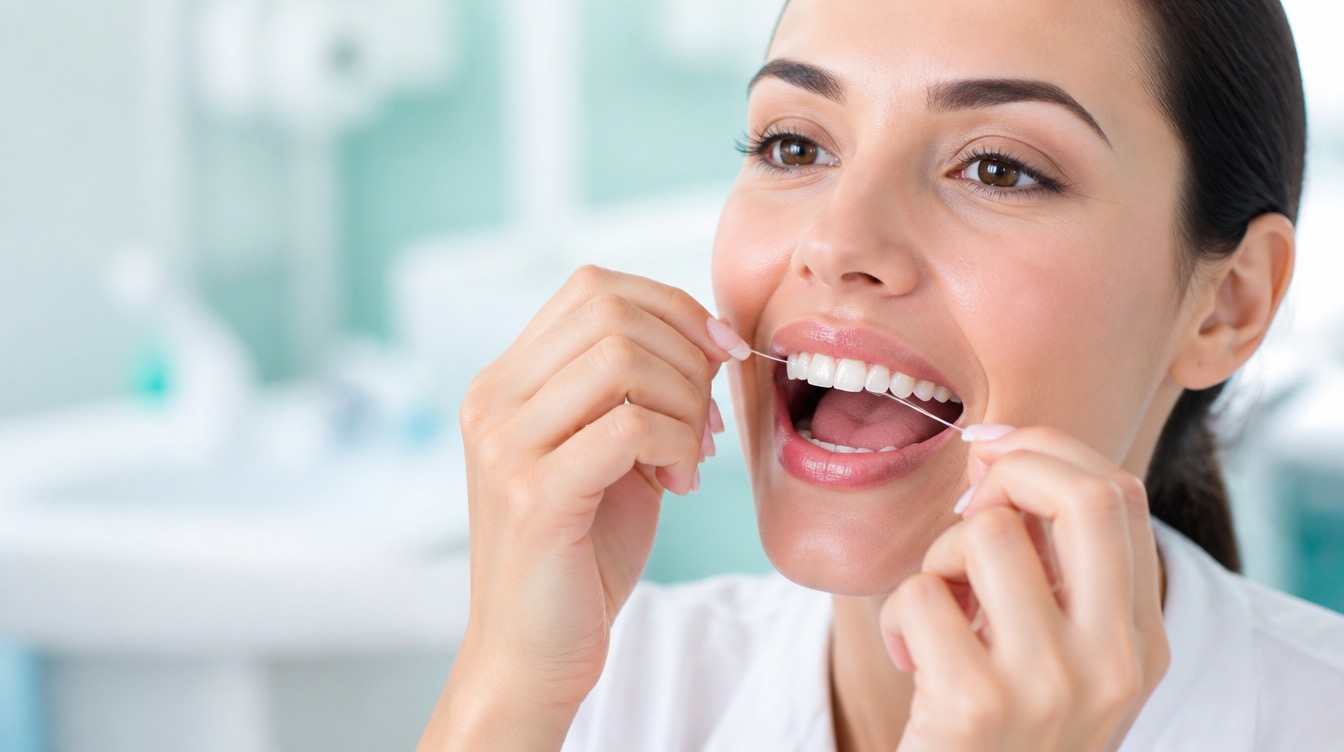
Toothbrushing cleans only about 60% of tooth surfaces. According to the National Institute of Dental and Craniofacial Research (NIDCR), interdental flossing or using interdental brushes removes trapped plaque and food debris from between teeth, where gum disease frequently initiates.
Dietary Habits, Snacking Frequency, and Oral pH
Every time you consume fermentable sugars or carbohydrates, oral bacteria produce acids that lower oral pH, leading to enamel demineralization. Limiting frequent snacking and drinking water helps saliva neutralize acids and remineralize enamel.
Toothbrush Replacement & Routine Checkups
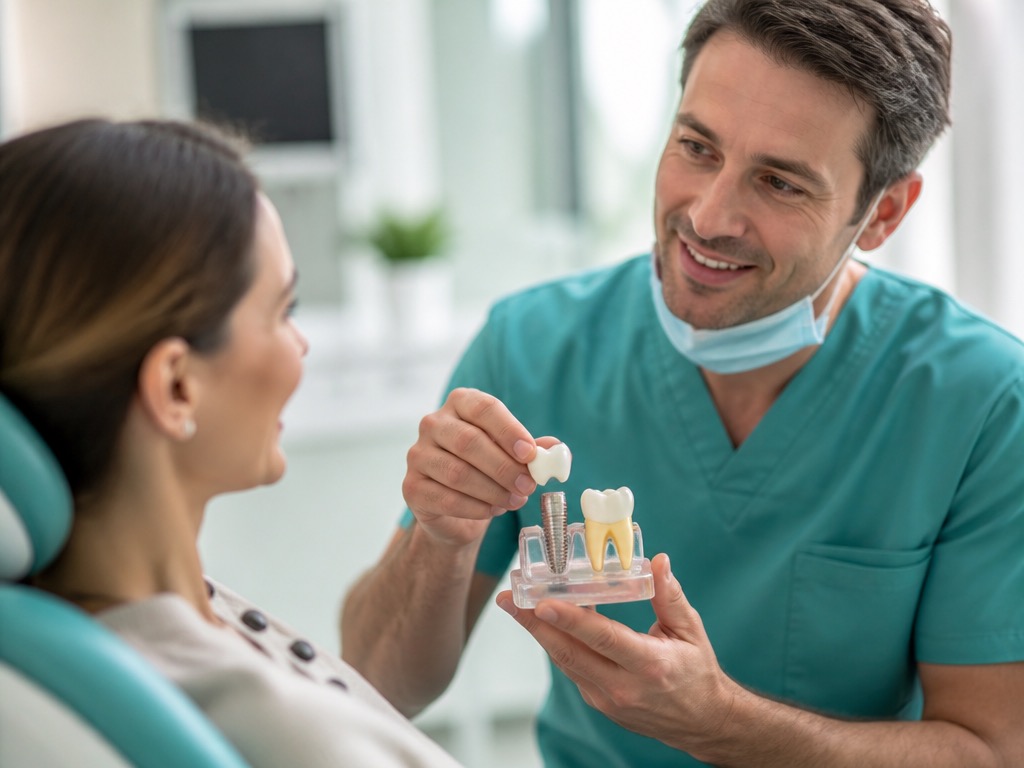
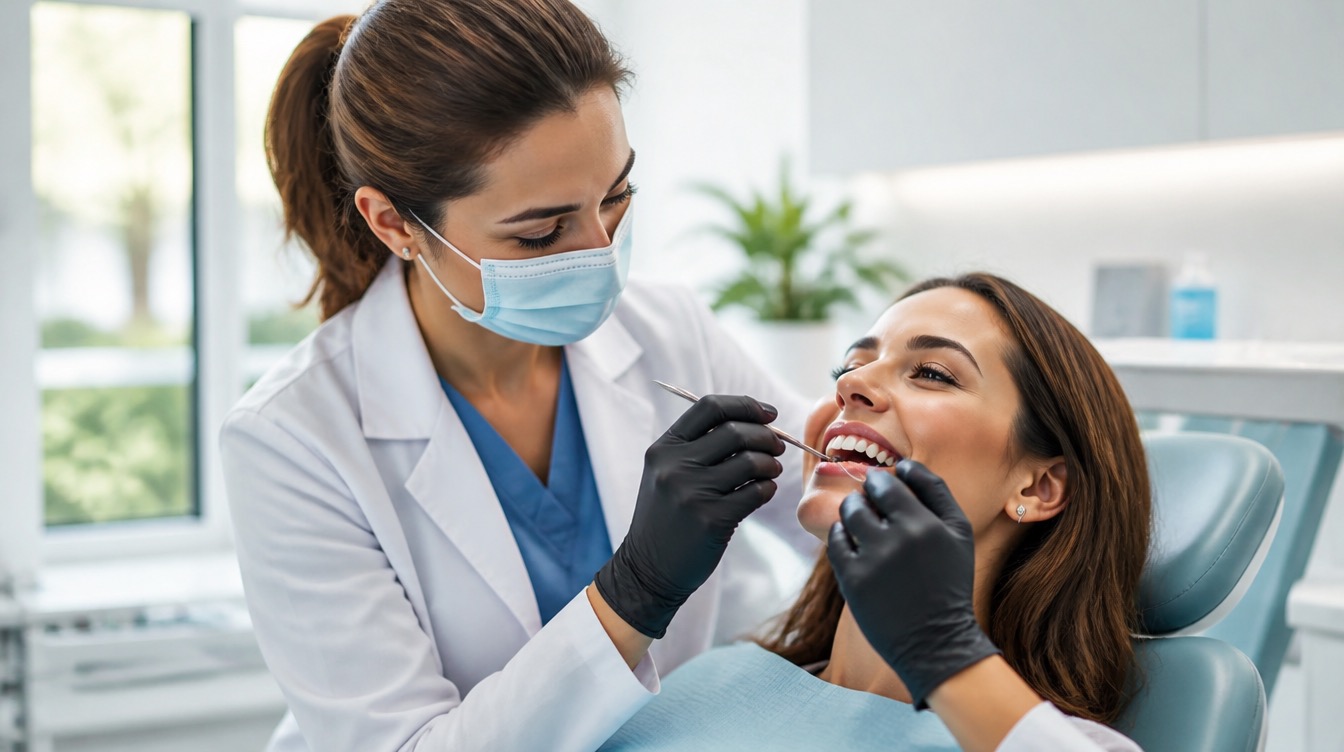
Replace your toothbrush or brush head every three months, or sooner if bristles become frayed. Pairing daily home hygiene with semi-annual professional dental cleanings ensures early detection of dental concerns.
Have Questions About Your Dental Health?
Consult with our specialist dentists at Redesign Dental Clinics in Banjara Hills, Hyderabad.
Fact-Checked Sources & References
- World Health Organization (WHO): "Global Oral Health Fact Sheet & Guidelines" — View Reference
- National Institute of Dental and Craniofacial Research (NIDCR): "Taking Care of Your Teeth and Mouth" — View Reference
- American Dental Association (ADA): "Brushing and Flossing Recommendations" — View Reference
This article is for general educational purposes only and is not a substitute for an individual dental examination or professional medical advice. Treatment recommendations may vary based on your oral health and clinical needs.